
Introduction
In today’s rapidly changing world, the traditional educational model is evolving to meet the demands of the 21st-century workforce. As we navigate through 2026, it becomes increasingly clear that skill-based learning is no longer an option but a necessity. This article explores the evolution of skill-based learning and how it prepares students for future careers.
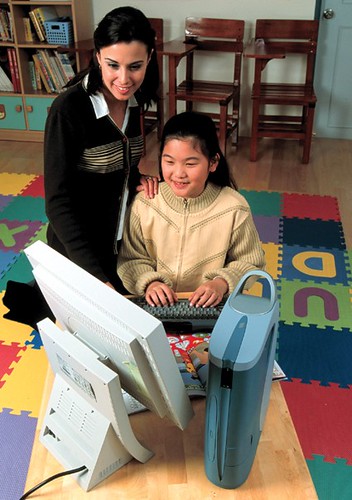
The Shift from Traditional Learning to Skill-Based Education
For decades, education has primarily focused on theoretical knowledge and standardized testing. However, as industries become more specialized and technology advances, a new approach has emerged, emphasizing practical skills. Skill-based learning not only equips students with necessary competencies but also enhances problem-solving abilities and adaptability.
Understanding Skill-Based Learning
Skill-based learning encompasses a range of methodologies and frameworks designed to foster practical skills. Some key components include:
- Experiential Learning: Involves hands-on experiences that are essential for mastery.
- Project-Based Learning: Students work on real-world projects, fostering teamwork and collaboration.
- Competency-Based Education: Focuses on mastering specific skills rather than accumulating credits.
Benefits of Skill-Based Learning
The transition towards skill-based education presents numerous benefits for students and educators alike:
1. Enhanced Employability
Employers increasingly prioritize practical skills over theoretical knowledge. By focusing on skill acquisition, educational institutions can prepare students more effectively for the job market.
2. Increased Engagement
Skill-based learning often involves interactive and collaborative activities, which can lead to higher levels of student engagement and motivation.
3. Development of Soft Skills
In addition to technical skills, students also cultivate essential soft skills, such as communication, teamwork, and critical thinking, which are highly sought after in the workplace.
Implementing Skill-Based Learning in Educational Systems
The integration of skill-based learning into existing educational frameworks requires a multifaceted approach:
1. Curriculum Overhaul
Educational institutions must revise curricula to incorporate skill development alongside traditional subjects. This can involve introducing new courses focused on specific competencies relevant to various industries.
2. Collaboration with Industry
Partnerships with businesses and organizations can help align educational offerings with real-world needs, ensuring that students acquire the skills that employers are seeking.
3. Training Educators
Teachers play a crucial role in delivering skill-based education. Ongoing professional development and training programs are necessary to equip them with the tools and methodologies needed for effective teaching.
Challenges of Adopting Skill-Based Learning
Despite its numerous advantages, transitioning to skill-based learning presents several challenges:
1. Resistance to Change
Many educators and institutions are accustomed to traditional teaching methods. Overcoming this resistance requires clear communication about the benefits of skill-based learning.
2. Resource Allocation
Implementing a skill-based curriculum can be resource-intensive, requiring additional funding for training, materials, and technology.
3. Assessment and Evaluation
Developing effective assessment methods for skill-based learning can be complex, as traditional testing methods may not accurately measure practical competencies.
Success Stories: Schools Leading the Way
Several educational institutions around the world have successfully adopted skill-based learning approaches:
1. High Tech High (California, USA)
This charter school network emphasizes project-based learning, allowing students to engage in interdisciplinary projects that connect classroom knowledge to real-world applications.
2. Finland’s Education System
Finland has long been recognized for its innovative educational practices, focusing on collaboration, critical thinking, and skill acquisition rather than rote memorization.
3. The International Baccalaureate (IB)
The IB program incorporates experiential learning and community service, helping students develop both academic and practical skills beneficial for their future endeavors.
The Future of Education: A Shift Toward Holistic Skill Development
As we look towards the future, the emphasis on skill-based learning will continue to grow. Education systems will increasingly focus on producing well-rounded individuals equipped to face the challenges of an ever-evolving job market.
In summary, the evolution of skill-based learning represents a significant shift in education, aligning teaching methods with the needs of the workforce. By embracing this change, educators and institutions can ensure that students are not only prepared for jobs but also for lifelong learning and personal growth.