
Introduction
As we navigate through 2026, the landscape of education continues to evolve, focusing increasingly on student-centered learning. This transformative approach prioritizes the needs, interests, and aspirations of learners, aiming to create an environment where they can thrive both academically and personally. This article explores the key components of student-centered learning and its implications for education today.
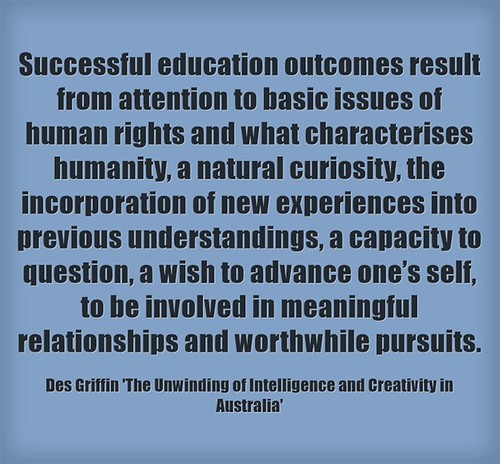
Understanding Student-Centered Learning
Student-centered learning revolves around the idea that students play an active role in their education rather than being passive recipients of information. This method emphasizes collaboration, engagement, and personalization, allowing students to take charge of their learning journey.
Core Principles of Student-Centered Learning
- Active Participation: Students engage in discussions, group projects, and hands-on activities that stimulate critical thinking.
- Personalization: Learning experiences are tailored to meet individual interests and learning styles, making education more relevant.
- Collaboration: Emphasizing teamwork, this approach fosters relationships among students, teachers, and the community.
- Feedback and Reflection: Continuous feedback from peers and educators supports a growth mindset and encourages self-assessment.
The Shift from Traditional to Student-Centered Approaches
Historically, education systems have often focused on a one-size-fits-all model, emphasizing memorization and standardized testing. In contrast, student-centered learning promotes adaptability and responsiveness to diverse learner needs.
The Role of Technology
Technology plays a crucial role in facilitating student-centered learning. Tools such as educational platforms, collaborative software, and interactive resources help in customizing the learning experience:
- Learning Management Systems (LMS): Platforms like Google Classroom and Canvas allow for differentiated assignments tailored to each student’s pace and level.
- Interactive Resources: Websites and apps offering simulations and gamified learning experiences engage students in a meaningful way.
- Data Analytics: Educators can use analytics to track student progress and tailor interventions effectively.
Benefits of Student-Centered Learning
Adopting a student-centered approach results in numerous benefits for students, educators, and the educational system as a whole:
- Enhanced Engagement: Students are more motivated when they have a say in their learning processes.
- Improved Learning Outcomes: Personalized learning experiences can lead to deeper understanding and retention of knowledge.
- Development of Soft Skills: Students cultivate critical skills such as teamwork, problem-solving, and communication.
- Preparation for Future Challenges: A focus on adaptability equips students to handle real-world issues effectively.
Implementing Student-Centered Learning in Classrooms
Transitioning to a student-centered model requires thoughtful planning and execution. Here are some strategies educators can adopt:
- Create a Supportive Learning Environment: Establish a classroom culture that encourages curiosity and open communication.
- Incorporate Choice: Allow students to select topics, projects, or methods of assessment to increase ownership of their learning.
- Utilize Collaborative Learning: Implement group work that promotes peer-to-peer learning and diversified perspectives.
- Encourage Goal Setting: Help students set personal learning goals and reflect on their progress regularly.
Challenges in the Shift to Student-Centered Learning
While student-centered learning offers many benefits, challenges exist:
- Teacher Training: Educators may require professional development to shift their teaching philosophies effectively.
- Resource Allocation: Implementing new technologies and tools demands financial resources which may not be readily available.
- Standardized Assessment Concerns: Navigating traditional assessment methods within a student-centered framework can be complex.
The Future of Education: Looking Ahead
As educational paradigms shift towards more inclusive and adaptive learning models, student-centered learning stands at the forefront of this change. By prioritizing the unique needs of each learner, education can become a more enriching, engaging, and effective journey.
Conclusion
The educational landscape of 2026 is shaped by the principles of student-centered learning, offering an exciting prospect for students and educators alike. By continuing to prioritize personalized, engaged, and collaborative learning experiences, we prepare students not only for academic success but also for a future filled with challenges and opportunities.