
Introduction
In the rapidly changing landscape of education, nurturing creativity and problem-solving skills in students has never been more crucial. As we move through 2026, the education sector is evolving to prioritize these attributes, preparing learners for a future where innovation is key. This article explores various approaches and strategies to foster creativity and critical thinking in educational settings.
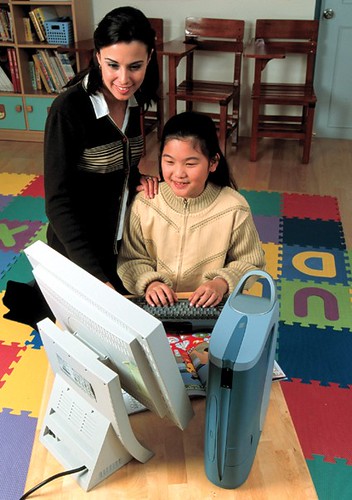
The Importance of Creativity in Education
Creativity extends beyond artistic endeavors; it encompasses the ability to generate new ideas, tackle problems from different angles, and devise innovative solutions. In an era marked by technological advancements and societal shifts, encouraging creative thinking in students can lead to:
- Better Problem Solving: Students equipped with creative thinking skills can approach challenges with flexibility and resourcefulness.
- Increased Engagement: Creative tasks can make learning more enjoyable, capturing students’ interests and encouraging deeper exploration of subjects.
- Collaboration and Communication: Creative projects often require teamwork, enhancing students’ ability to collaborate and articulate their ideas effectively.
Strategies to Foster Creative Thinking
Educators can employ various techniques to cultivate a creative mindset in students. Here are some effective strategies:
1. Encourage Open-Ended Questions
Fostering an environment where students feel safe to ask open-ended questions can stimulate their curiosity and creativity. Instead of asking questions with a singular correct answer, educators should invite students to explore multiple possibilities.
2. Integrate Project-Based Learning
Project-based learning encourages students to engage in real-world challenges. By working on projects that require creativity and critical thinking, students can learn to apply their knowledge in meaningful ways. Examples include:
- Developing a sustainable business model.
- Creating a community service project.
- Designing an innovative solution to a local problem.
3. Incorporate Creative Arts
Integrating arts into various subjects can enhance creative thinking. Whether through visual arts, drama, or music, these mediums help students express their ideas uniquely and can ignite innovative thoughts.
4. Provide Flexibility in Assignments
Allowing students to choose how they complete assignments can lead to increased creativity. Options might include:
- Creating a video presentation instead of a written report.
- Designing a poster or infographic to summarize research.
- Developing a podcast to explore a topic.
Creating a Supportive Environment for Innovation
For creativity to thrive, the educational environment must be supportive and resource-rich. Here are key components of such an environment:
1. Collaboration Spaces
Modern classrooms should be designed with flexibility in mind. Collaboration spaces, with movable furniture and technology, allow students to work together and think creatively.
2. Access to Resources
Providing access to diverse resources, including books, technology, and creative tools, can help students explore their ideas fully. Schools can create maker spaces for hands-on activities like coding, crafting, and building.
3. Teacher Training
Professional development for educators is essential. Training programs should focus on innovative teaching methods and strategies to inspire creativity in students.
The Role of Technology in Fostering Creativity
Technology has become an integral part of modern education, and its role in fostering creativity is significant:
1. Digital Creativity Tools
Various digital platforms enable students to express their creativity through design, video editing, music production, and more. Tools like Canva, Adobe Spark, and GarageBand can support innovative projects.
2. Online Collaboration
Technology facilitates collaboration beyond physical classrooms. Platforms such as Google Classroom and Microsoft Teams allow students to work together on projects, share ideas, and provide feedback irrespective of location.
Measuring Creativity in Education
Assessing creativity can be challenging, but developing appropriate evaluation criteria is essential to ensure that students are encouraged and recognized for their innovative efforts. Some suggested methods include:
- Portfolio Assessments: Students can compile a portfolio showcasing their creative projects.
- Peer Evaluations: Classmates can provide feedback on each other’s work, fostering a community of support and constructive criticism.
- Self-Reflection: Encouraging students to reflect on their creative processes and outcomes can foster a deeper understanding of their growth.
Conclusion
As we navigate through 2026, fostering innovation through creativity and problem-solving in education is essential. By embracing open-ended questions, project-based learning, and a supportive environment, educators can empower students to become innovative thinkers equipped for the challenges of tomorrow. With technology as a powerful ally, the potential for creativity in education is boundless, paving the way for a brighter future.